Built for the public sector
Every site we ship targets WCAG 2.2 AA, ships with structured data, and is hand-tuned for Core Web Vitals so it loads cleanly on rural broadband and mobile devices.
Client Reviews
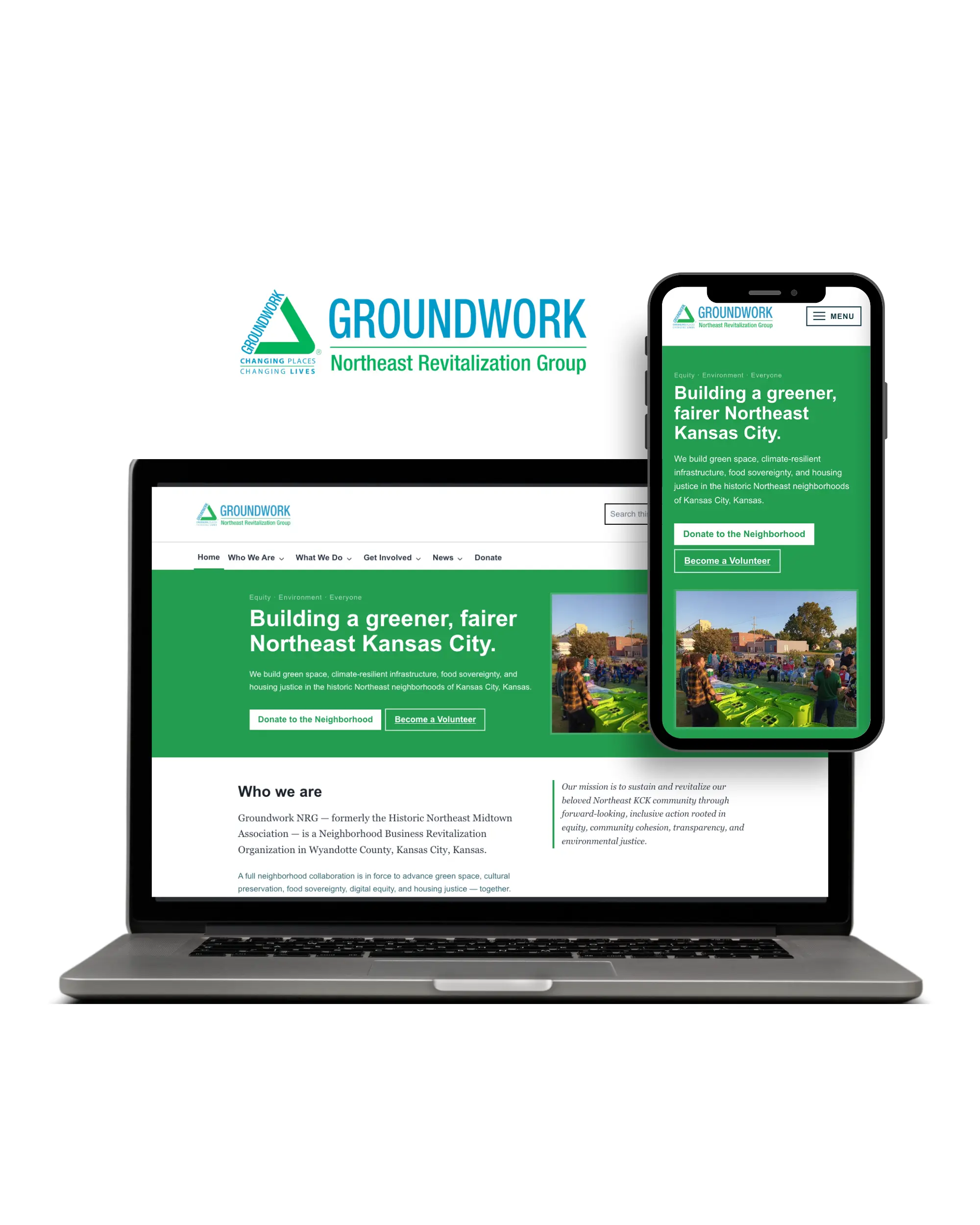
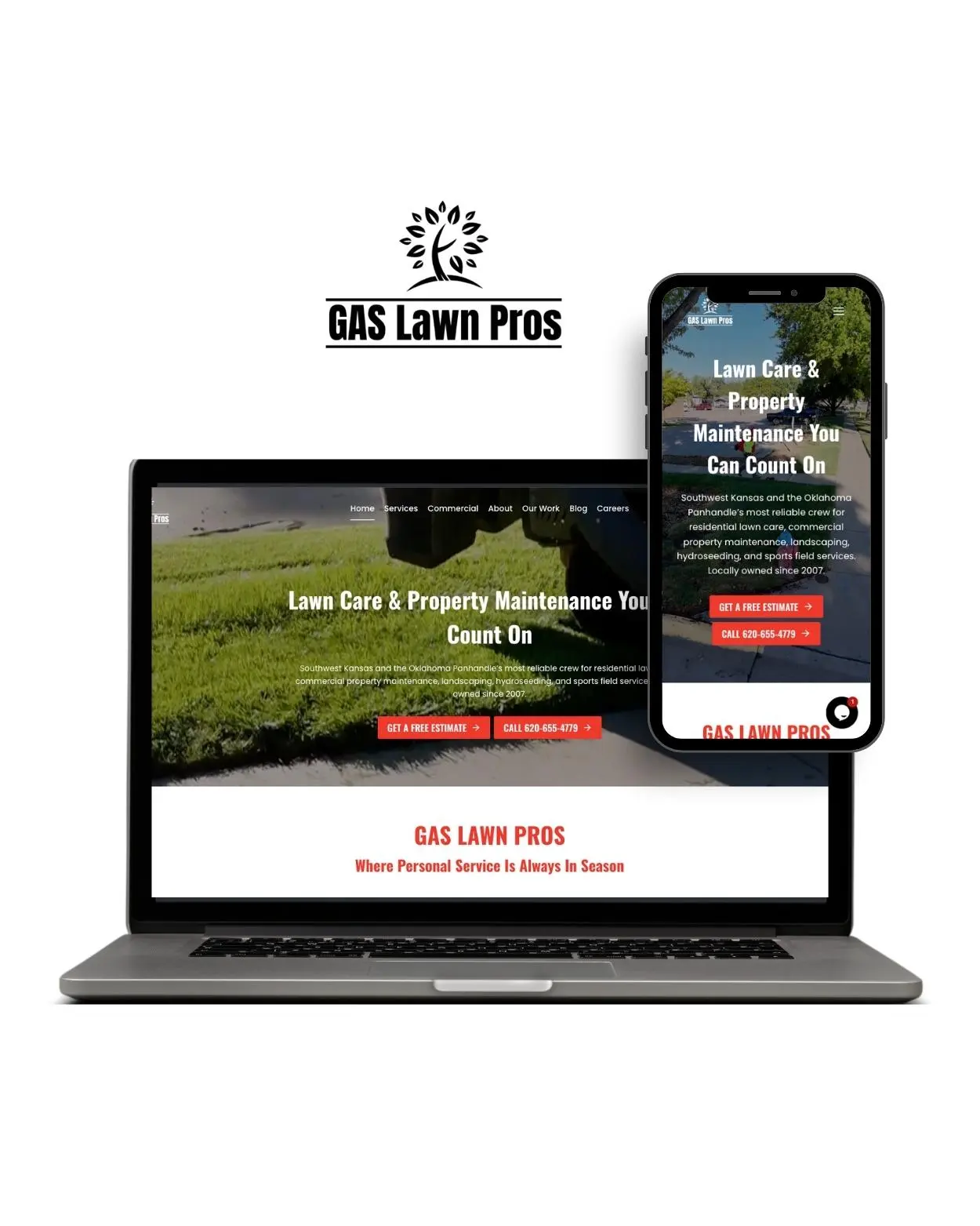
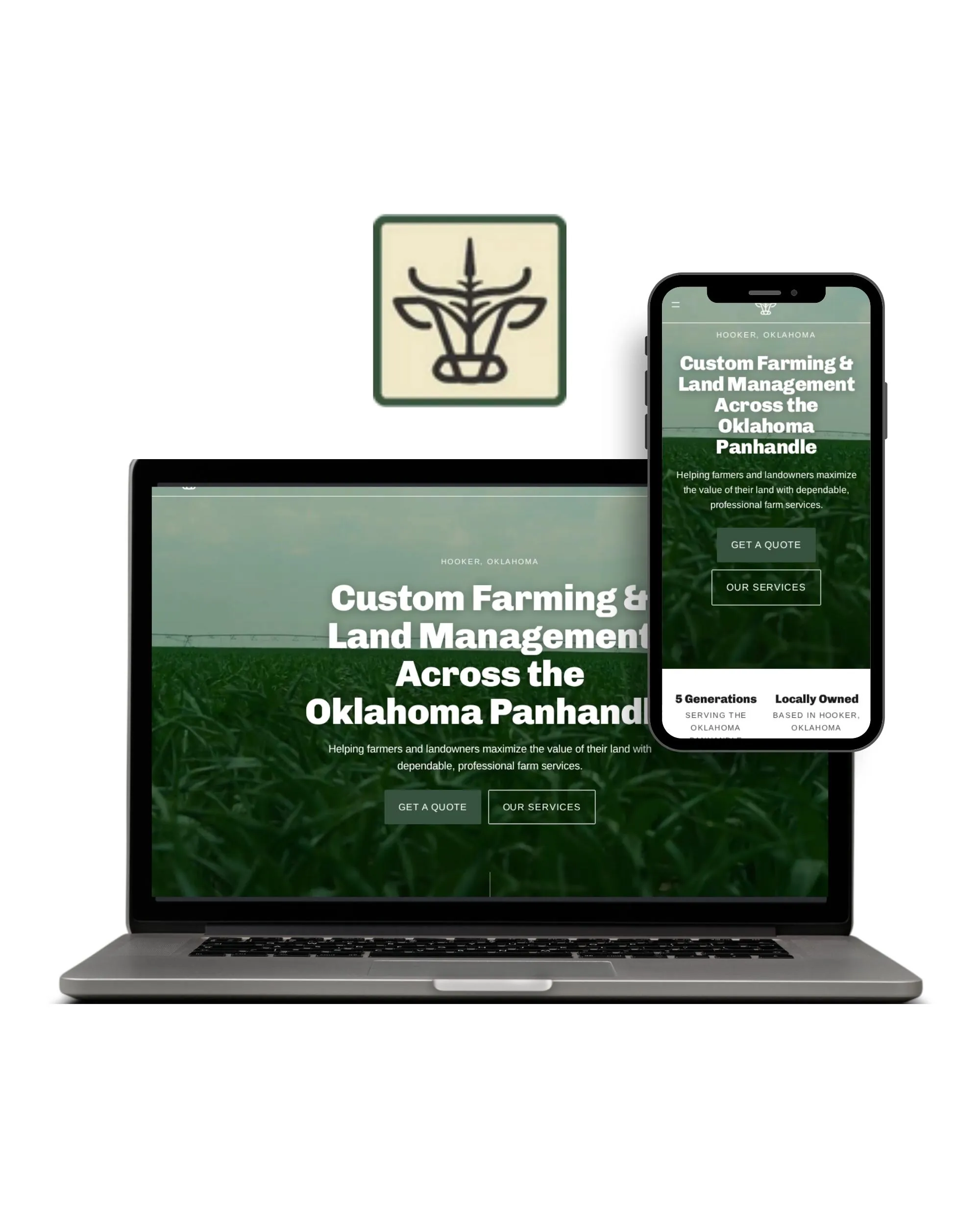
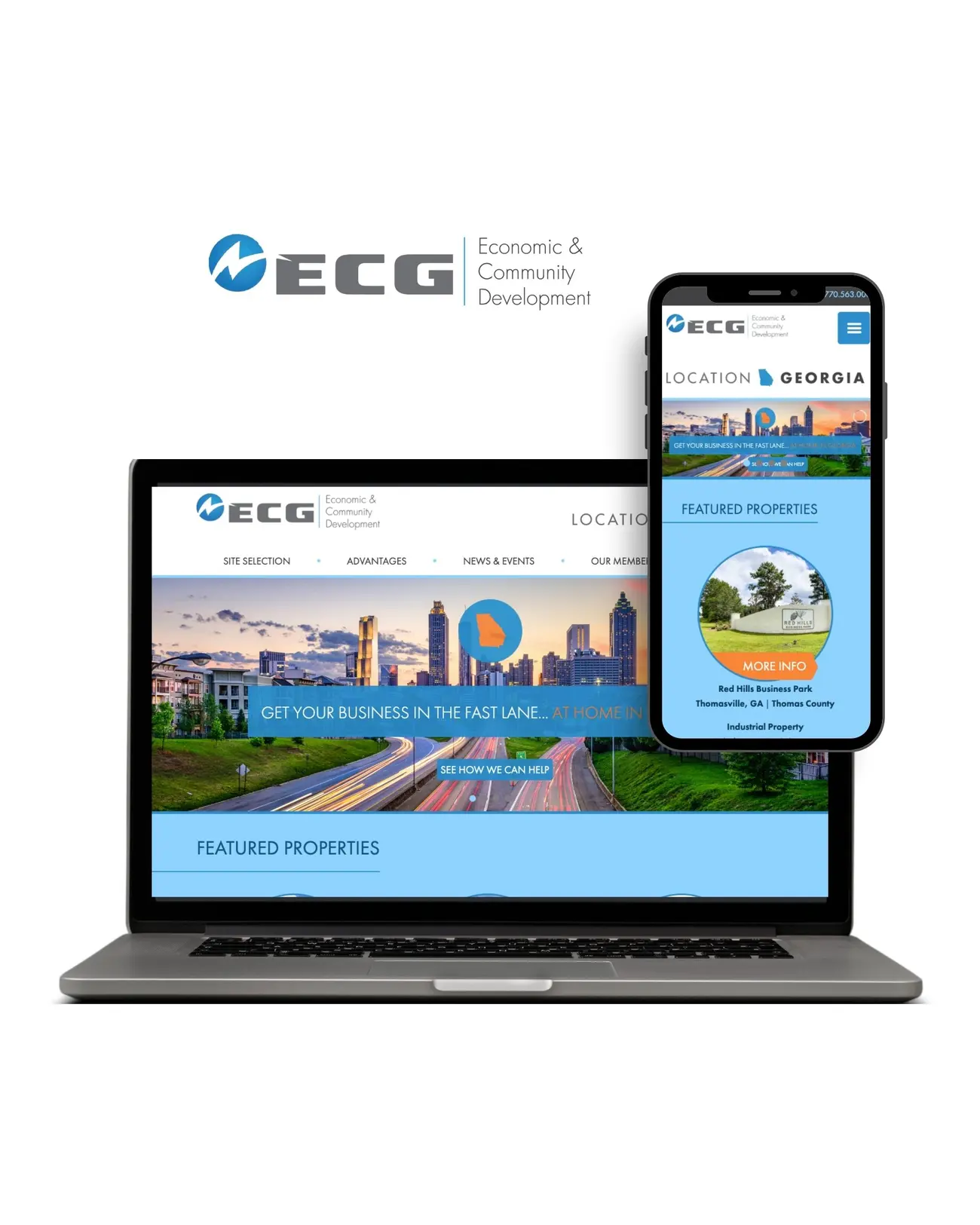
Featured Work
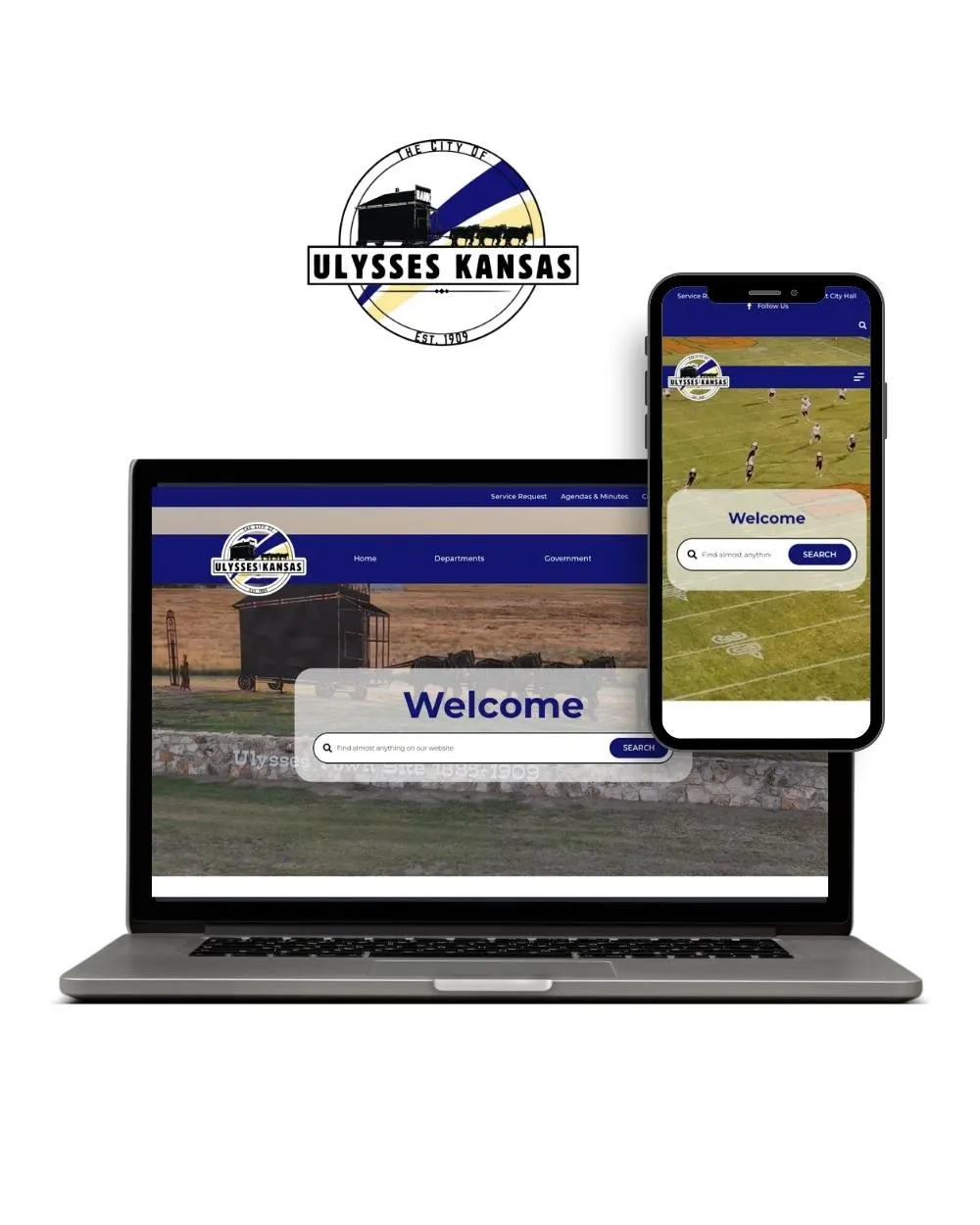
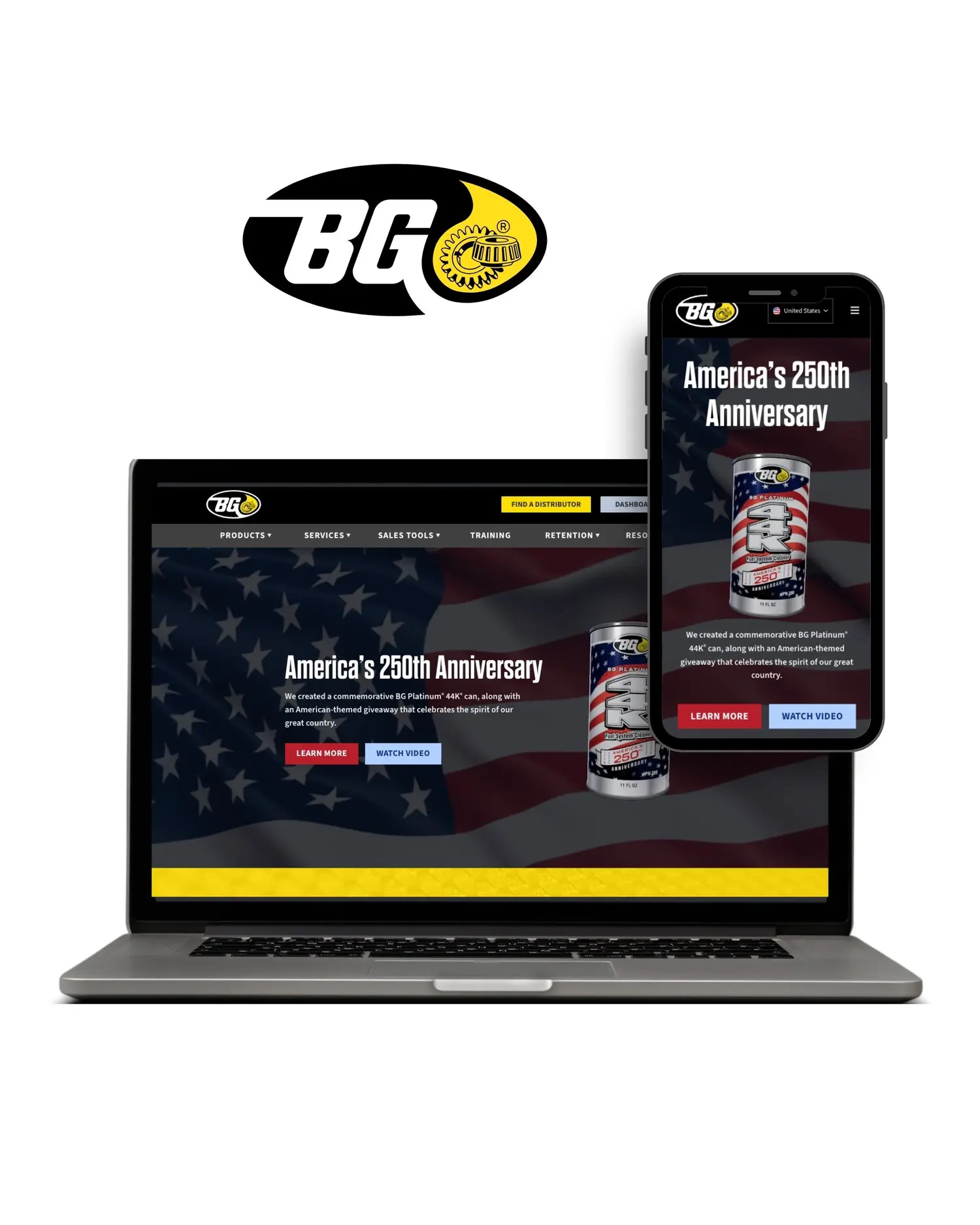
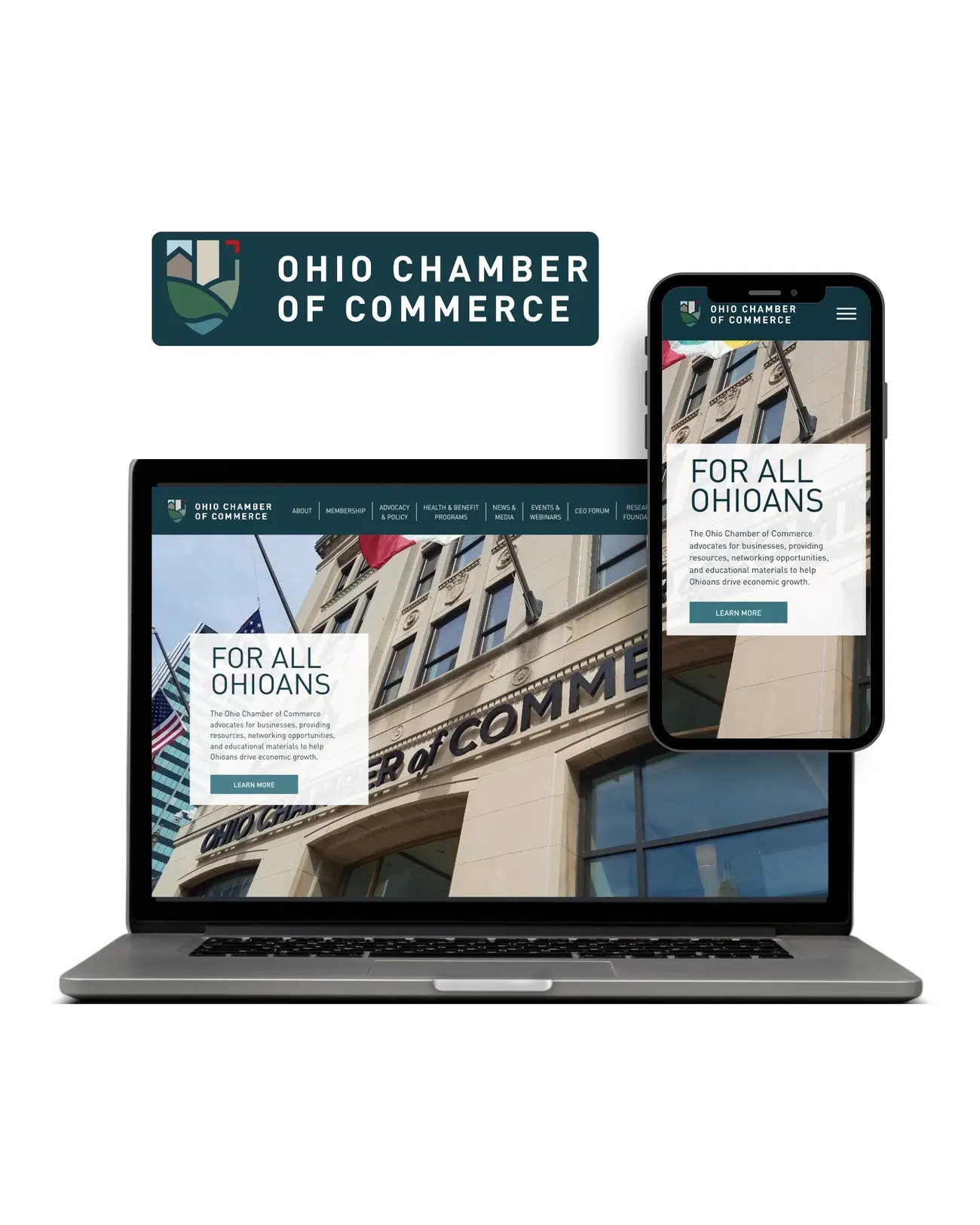
Cities, chambers, EDOs, manufacturers, and rural businesses — every one live, accessible, and built to convert.
Website Design Demos
Explore website concepts created for different industries, audiences and use cases. Each demo shows how Southwind approaches structure, content, usability and conversion around the organization using the site.
Website design for chambers, EDOs, cities, and tourism boards means building a fast, accessible, conversion-driven site engineered specifically for public-sector audiences — site selectors, members, residents, and visitors. Southwind ships ADA-compliant, AI-search-ready, staff-editable websites for the organizations bigger agencies don't take seriously, typically launching in 8 to 14 weeks.
Outcomes
Why Southwind
Every site we ship targets WCAG 2.2 AA, ships with structured data, and is hand-tuned for Core Web Vitals so it loads cleanly on rural broadband and mobile devices.
We treat your site as a lead-generation, member-acquisition, or site-selector engine — not a digital brochure. Every page has a job and a measurable outcome.
Modern, modular CMS templates your staff can maintain without calling us for every press release, event, or RFP.
ADA-compliant from day one, with semantic HTML, keyboard navigation, color-contrast audits, and screen-reader testing.
Inquiry forms, RFI downloads, event registrations, and member signups wired to analytics from launch — not bolted on later.
You own the domain, the design files, the code, and the data. No agency lock-in.
What's Included
Stakeholder interviews, competitor audit, user-journey mapping, and a content-led sitemap before a single page is designed.
Brand-aligned UI kit — typography, color, components — built in Figma and translated to a real CMS, not a generic template.
WordPress, Webflow, or a custom React/Next stack depending on your team's needs. SSR, image optimization, and structured data are standard.
Per-page metadata, Organization / LocalBusiness / Service / FAQ schema, XML sitemap, and clean robots configuration on launch.
Manual screen-reader test, automated WCAG scan, and remediation before launch — plus an accessibility statement page.
Live training session for your staff plus a custom video library so new hires can ramp without us.
Our Process
We meet your team, your board, and (when relevant) your community to understand what success actually looks like.
Sitemap, content outlines, and low-fidelity wireframes approved before any visual design begins.
High-fidelity design followed by accessible, performant development on the right platform for your team.
Migration, redirects, training, post-launch analytics, and an optional retainer for ongoing improvements.
Who It's For
In Depth
Three things have changed since 2020: AI Overviews now answer 60 percent of queries, Core Web Vitals are a Google ranking signal, and Title II of the ADA now explicitly requires WCAG 2.1 AA conformance for state and local government sites by April 2026. A public-sector website built today must ship with structured data (Organization, Place, Service, FAQ, BreadcrumbList) so ChatGPT and Perplexity can cite it, manual screen-reader testing and a published accessibility statement, server-side rendering or static generation for Largest Contentful Paint under 2.5 seconds on rural broadband, a CMS your staff can actually maintain without calling the agency, and downloadable PDFs for every key data asset (community profile, sponsorship deck, member benefits, sites and buildings inventory). Most pre-2022 sites miss at least four of those — which is why we end up rebuilding rather than refreshing.
Pricing depends on page count, integrations, content production, and stakeholder review burden. Most chamber sites run USD 14,000 to USD 38,000, most EDO sites USD 18,000 to USD 55,000, most city government sites USD 24,000 to USD 95,000 (more if multiple departments need their own sub-sites), and most CVB or tourism sites USD 22,000 to USD 65,000. Rural small business sites typically start at USD 5,500. We give a fixed-scope estimate after a free discovery call — no game of guess-the-budget.
Standard chamber and EDO sites launch in 8 to 14 weeks. City government sites with 4 or more departments, council review, and procurement workflows typically take 16 to 24 weeks. Tourism sites with deep partner integrations (CRMs, STR, Placer.ai) run 12 to 18 weeks. The fastest-moving variable is stakeholder review — we structure approvals into three discrete checkpoints (strategy, design, build) so reviews happen on a calendar instead of by surprise.
WordPress is right when your team needs to add and edit content weekly and has at least one staff member comfortable with a CMS — most chambers and EDOs land here. Webflow is right when design fidelity matters more than long-term content velocity and your team is small (often the right call for tourism and brand-led sites). Custom on Next.js or Astro is right when you have specific integrations (multi-database queries, gated content, headless commerce) or when SEO and AI search citations are the primary KPI. We will recommend the platform your team can maintain — not the one easiest for us to build in.
DOJ's April 2024 Title II rulemaking explicitly requires WCAG 2.1 AA conformance for state and local government websites by April 2026 (April 2027 for smaller jurisdictions). Most existing public-sector sites do not pass. Compliance means semantic HTML, keyboard navigation, sufficient color contrast (4.5:1 for body text), alt text on meaningful images, captions on video, screen-reader-tested forms, skip-to-content links, and a published accessibility statement. Every site we ship targets WCAG 2.2 AA (the stricter newer version) with manual screen-reader testing — not just an automated scan that misses 70 percent of real issues.
FAQ
Related Services
Ongoing hosting, updates, content, and social media support after launch.
Explore →Chambers, EDOs, cities, tourism, Main Streets, nonprofits.
Explore →Oklahoma, Kansas, Texas, and the broader Midwest.
Explore →Quantified outcomes from real engagements.
Explore →Recent websites, brand systems, and campaigns.
Explore →5.0-star feedback from chambers, EDOs, and cities.
Explore →GEO, SEO, and economic development articles.
Explore →Let's talk
Schedule a free consultation and we'll map a practical plan for your goals, your team, and your budget.