For small and rural DMOs, the highest-return moves are the same five, in order: co-op partnerships, place-based storytelling, curated visitor products like trails and passes, micro-events that stretch the shoulder season, and measurement tied to local spend rather than impressions. Each one is doable with a team of one to five people and a modest budget, and each compounds the others. A gamified pass tied to a single strong narrative, promoted through a state co-op grant, produces more heads in beds than any of those tactics alone.
- Co-op and partnership marketing (low effort, high payoff): borrow reach from state tourism offices and larger regional attractions instead of buying it yourself.
- Place-based storytelling (medium effort, high payoff): one tight, specific story beats a county-wide slogan.
- Curated itineraries, trails, and passes (medium effort, medium to high payoff): give visitors a reason to stay a second night and a way to prove it happened.
- Micro-festivals and shoulder-season events (medium effort, high payoff): niche programming built around what your community already does well.
- Measurement tied to lodging tax and merchant spend (low effort, high payoff): the number your board actually cares about.
One data point sets the stakes: a single pass program in a rural Pennsylvania visitors bureau generated substantial direct merchant revenue(https://www.bandwango.com/resources/how-the-juniata-river-valley-visitors-bureau-is-driving-thousands-of-dollars-into-its-local-rural-businesses) in one reported period, from a tool that cost a fraction of a single billboard campaign.
Key Takeaways
Small and rural DMOs win by pairing borrowed reach (partnerships and co-op funding) with a tightly told local story, then proving the result with lodging tax and merchant data instead of impressions.
| Point | Details |
|---|---|
| Prioritize partnerships first | Co-op programs like Arizona's AOT model let a small budget access media scale a solo campaign can't reach. |
| Commit to one narrative | A single tight story extended across signage, itineraries, and welcome kits outperforms broad county messaging. |
| Launch a pilot pass or trail | Start with three to five merchants; the Juniata River Valley model generated $27,820 to $44,512 from one pass program. |
| Report revenue, not reach | Tie every board update to lodging tax receipts and merchant redemption data, not impressions or follower counts. |
| Build the digital foundation | Southwind Marketing's website and SEO services help small DMOs host mobile-first itineraries and rank locally against bigger destinations. |
Practical Resources and Toolkits to Consult Next
Start with the I-Rural toolkit if you haven't run a community storytelling session yet; it's the most complete workshop methodology available for free. If funding is your immediate bottleneck, review Arizona's AOT co-op program structure as a template even outside Arizona. For stewardship language, Leave No Trace's small-DMO packages offer ready-to-adapt visitor messaging. Once a narrative exists, the Bandwango case study and Driftscape's guidance show how to turn it into a trackable pass or itinerary.
What I've Learned Working Alongside Rural Tourism Teams
The DMOs that struggle almost always try to do everything at once, storytelling, a pass, a festival, a co-op application, in the same quarter with the same two staff members. The ones that succeed pick one thread, prove it with real numbers, and use that proof to unlock the next piece of funding or the next partner conversation.
The most common mistake isn't a bad idea. It's launching a beautiful campaign with no way to measure whether it moved lodging tax receipts. The most reliable win is smaller than people expect: a three-merchant pilot pass that generates modest, trackable revenue beats a big launch with no reporting behind it, every time.
— Damien Denmark
Table of Contents
- Why Small and Rural DMOs Tourism Efforts Can Win
- How Do Co-op Marketing Partnerships Actually Work?
- What Makes Place-Based Storytelling Work for Small Towns?
- Which Trail, Pass, and Micro-Festival Programs Actually Drive Spend?
- How Should Small DMOs Manage Visitors Without Overloading Them?
- Where Can Small DMOs Find Matching Funds and Grants?
- What KPIs Prove a Small DMO's Tourism Marketing Is Working?
- Building a 12-Month Plan for a One to Five Person Team
- Real Programs That Prove This Playbook Works
- Get Rural-Ready Digital Marketing Built for Your DMO
- Sources
- FAQ
Why Small and Rural DMOs Tourism Efforts Can Win
Most small DMOs default to asset-based marketing: list the lake, the courthouse, the trail, the diner, and hope someone plans a trip around the inventory. Identity-based marketing does the opposite. It picks the one thing your community actually is, a foraging tradition, a specific craft, a river culture, and builds every campaign, sign, and social post around that single thread. Rural tourism practitioners increasingly argue that tourism strategy has to start with residents telling their own story, not a marketing department inventing one for them.
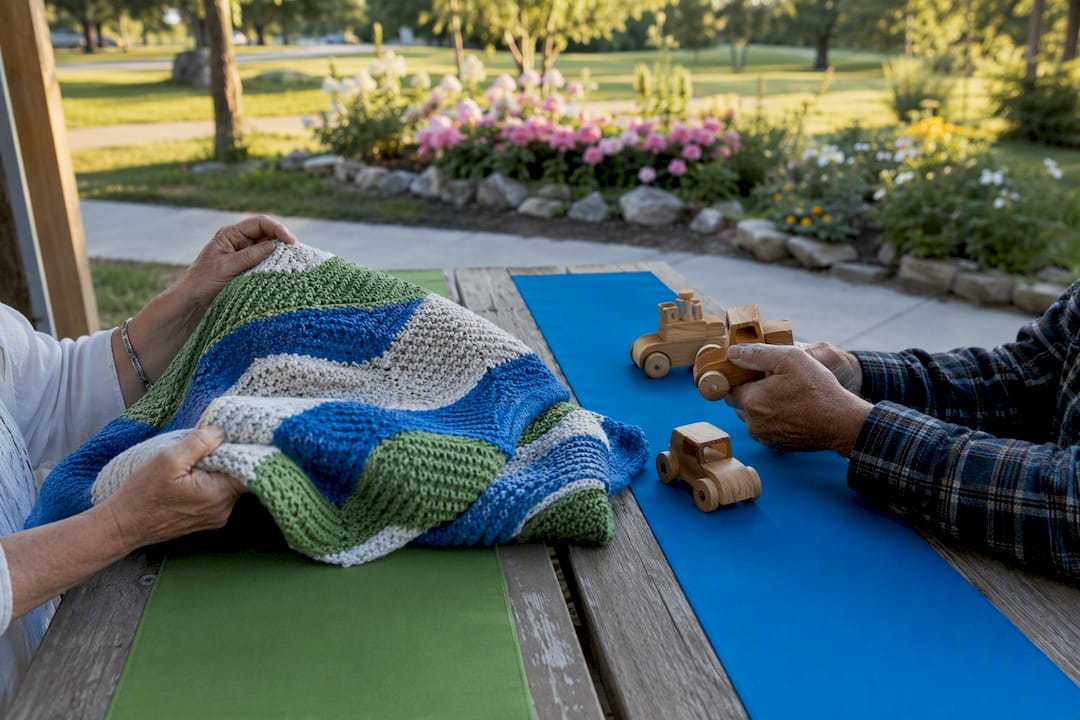
That shift matters because traveler behavior has moved in your direction. Shoulder-season travel, slower itineraries, and interest in lesser-known destinations are no longer niche preferences. Small destinations that lean into niche programming, rather than trying to out-advertise a metro-area convention bureau, are the ones posting real gains in 2026 rather than treading water.
Your constraints are real, but most of them convert directly into advantages once you name them:
- Small staff means no committee slows down a decision. You can launch a campaign in a week that would take a metro DMO a quarter.
- Tight budget forces you toward partnerships and co-op funds instead of paid media you can't sustain, which turns out to be the higher-ROI path anyway.
- Limited lodging inventory means every booking is trackable. A 40-room town can tie a campaign to occupancy data far more precisely than a city with 4,000 rooms.
- Thin marketing history means your brand isn't cluttered with a decade of inconsistent messaging. You're building clean, not fixing broken.
Small DMOs that lean on partnerships and local storytelling instead of trying to match metro ad budgets frequently post the best per-dollar returns in their state. That's not a consolation prize. It's the actual competitive edge of being small.
Pro Tip: Before you write a single piece of marketing copy, ask five longtime residents what visitors always comment on. The answer that comes up three or more times is your story, not the one on your current welcome sign.
How Do Co-op Marketing Partnerships Actually Work?
Co-op marketing is the single fastest way for a small DMO to borrow scale it can't afford to build on its own. Instead of running your own $3,000 social campaign that reaches 8,000 people, you contribute $3,000 to a state or regional co-op that turns it into a $30,000 media buy across podcast ads, print, and paid search, because ten other DMOs and private partners are contributing alongside you.
Four kinds of partners matter here, and each plays a different role:
- State tourism offices. These programs exist specifically to multiply small-market dollars. Arizona's Office of Tourism co-op program explicitly invites rural DMOs, spells out spending caps, documentation requirements, and application timelines, and functions as a usable template even if you're applying through your own state's equivalent office.
- Large regional attractions. A national park gateway, a major lake, or a well-known festival two counties over often needs overflow lodging and dining that your town can supply. That's leverage.
- Business coalitions. Restaurant associations, breweries, outfitters, and lodging groups can pool marketing dollars that no single business could justify alone.
- Neighboring DMOs. If your town is a day trip from a bigger destination, co-marketing as a joint region beats competing for the same visitor.
Setting up a functional co-op takes more governance discipline than most small teams expect. Build the structure before you build the campaign:
- Written governance: who approves creative, who signs off on spend, and how disputes get resolved.
- A shared creative asset library (photos, video, brand guidelines) so no partner is stuck waiting on files.
- Matched funding terms spelled out in writing before anyone contributes a dollar.
- A single shared tracking dashboard so every partner sees the same numbers, not competing spreadsheets.
When approaching a larger attraction or regional partner cold, lead with mutual benefit, not a request. State exactly what you bring (overflow lodging, a specific visitor segment, a distinct experience they don't offer), propose control terms up front (who approves what), and commit to a reporting cadence before they ask for one.
A rural Missouri visitors bureau built its identity around Table Rock Lake and structured partnerships with area outfitters and lodging properties rather than trying to out-market larger nearby destinations. The lesson generalizes well beyond that one lake: partnership structures that share creative and media costs consistently outperform solo campaigns on ROI for DMOs that can't sustain paid media on their own.
The pattern holds across the sector. Small DMOs that access larger creative and media channels through structured partnerships routinely report top-in-state returns, not because they spend more, but because someone else's media budget is doing part of the work.
What Makes Place-Based Storytelling Work for Small Towns?
Pick one story. Not five. A town that tries to market its history, its lake, its downtown, and its food scene simultaneously ends up saying nothing memorable about any of them. A town that commits to one tight narrative, a specific craft tradition, a river culture, a single famous local event, and repeats it everywhere builds an identity a visitor can actually recall a month later.
That narrative has to survive contact with every touchpoint: your website homepage, your welcome signage, your printed itineraries, your social captions, even your grant applications. One city planning effort in Kimba found that embedding a single brand narrative across municipal systems, not just marketing collateral, reduced how much lifting the marketing team had to do because the story reinforced itself everywhere residents and visitors encountered it.
Building that narrative isn't a solo job for the DMO director, and it shouldn't be. The I-Rural toolkit developed by university extension partners lays out a workable process: asset mapping sessions where residents list what actually makes the place distinct, stakeholder workshops where conflicting ideas get resolved in the room instead of after launch, and a small steering group, staff plus three or four community representatives, that guides adoption without turning brand control into a bottleneck.
Once the narrative is set, scale it through people rather than more ad spend:
- Recruit five to ten local ambassadors (business owners, longtime residents, avid outdoors people) who already talk about the town online and give them assets to share.
- Set simple user-generated content guidelines: a hashtag, a photo release policy, and a monthly repost commitment.
- Brief front-line staff, hotel clerks, restaurant servers, gas station cashiers, on the one story so visitors hear it consistently, not just see it on a sign.
Pro Tip: Write your host welcome kit and your visitor signage from the same three sentences. If your Airbnb hosts and your trailhead sign tell different stories, your brand doesn't have an identity problem, it has a coordination problem.
Operationally, this shows up in small details: signage that references the same story as the website, printed itineraries that lead with the narrative instead of a map, and welcome kits for short-term rental hosts that give them one paragraph they can repeat to guests. For visual consistency across those touchpoints, visual storytelling techniques that repeat color, imagery, and framing across channels do more to cement an identity than any single hero photo.
Which Trail, Pass, and Micro-Festival Programs Actually Drive Spend?
Curated visitor products turn a vague "come visit" message into something a traveler can act on today. The three that work best for small teams, in order of setup effort, are itineraries and trails, check-in passes, and micro-festivals.
Building itineraries and trails that hold up in the field:
- Keep the geography tight. A 12-stop trail across three counties fails; a six-stop trail within a 20-minute drive succeeds.
- Define one clear start point, physically and digitally, so visitors always know where the experience begins.
- Walk or drive the entire route yourself before publishing it. Verify cell coverage, sightlines, and that physical signage actually matches the digital map.
- Choose a mapping tool that supports offline caching. Rural dead zones will strand a visitor relying on a live data connection, and that's the visit that generates a bad review instead of a good one.
Interactive mapping platforms like Driftscape let small destinations build thematic itineraries and digital passports without in-house app development, and they let you track which stops actually get visited, not just which ones you publicized.
Gamified passes turn browsing into spending. The clearest proof point in the sector comes from Pennsylvania's Juniata River Valley Visitors Bureau, which built a "Flight School" pass using the Bandwango platform. The pass generated 2,782 check-ins and between $27,820 and $44,512 in direct merchant revenue in one reported period, plus indirect spending the report didn't fully capture. Merchants redeem check-ins through a simple point-of-sale process, and the bureau gets a live reporting dashboard instead of guessing which businesses benefited.
To build one of your own:
- Choose merchants who can honor a redemption process without adding staff burden (a stamp, a QR scan, a code word).
- Set a completion reward modest enough to sustain (a sticker, a discount, entry into a local prize) rather than something that costs more per redemption than the visit generates.
- Require the reporting dashboard from day one so you can show your board real numbers at the first board meeting after launch, not a year later.
Micro-festivals fill shoulder-season gaps that big events can't touch. Foraging walks, birding weekends, and small maker markets consistently convert local identity into visitation because they're built around what the community already does, not an event invented purely for tourists. Regional tourism strategists point to micro-festivals as one of the highest-return moves available to a small team specifically because they require minimal infrastructure and reinforce the same narrative your storytelling work already built.
- Pick a theme tied directly to a real local practice, not a generic "harvest festival" copied from a neighboring county.
- Assign one partner organization to own logistics (permits, parking, cleanup) so the DMO stays focused on promotion.
- Cap capacity intentionally. A sold-out 200-person event photographs better and burns out fewer volunteers than an underattended 800-person one.
Short-term rental hosts are an underused distribution channel for all of this. A one-page welcome kit with the trail map, pass instructions, and a local discount code turns every rental booking into a small marketing placement you didn't have to pay for.
How Should Small DMOs Manage Visitors Without Overloading Them?
Growth without stewardship burns out the exact places that made a destination appealing in the first place. The fix isn't complicated, but it requires building it into your marketing from day one rather than bolting it on after a trailhead gets overrun.
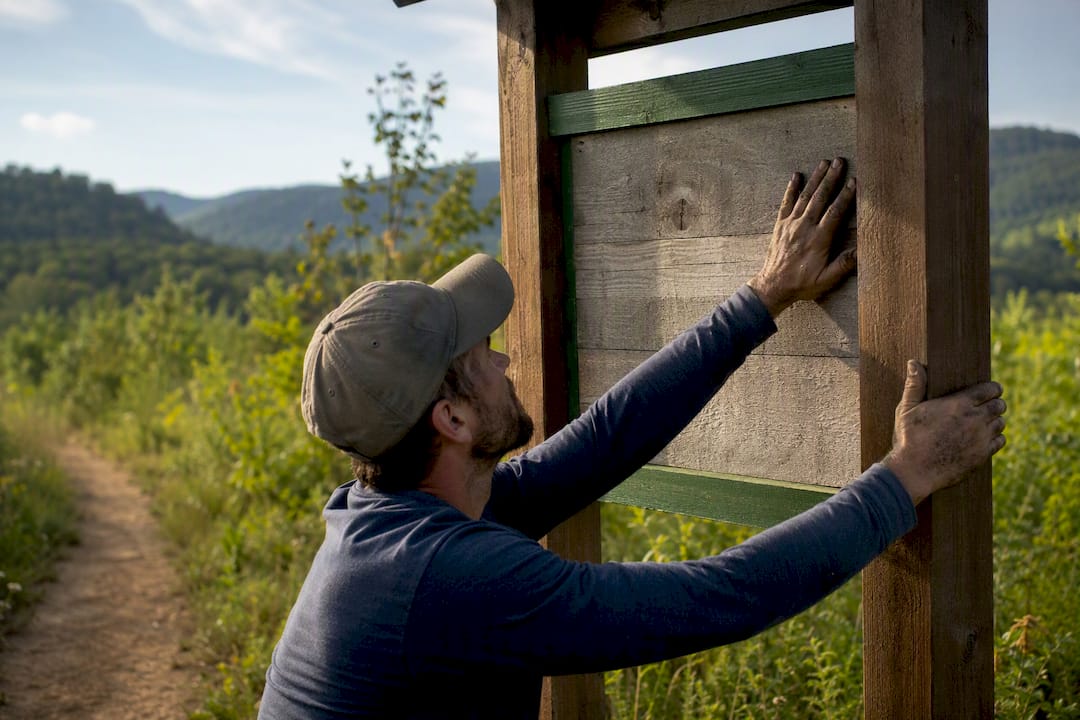
Leave No Trace has developed stewardship and visitor-education packages specifically scaled for small and mid-sized DMOs, which means you don't have to invent visitor-behavior messaging from scratch. Their guidance covers pre-arrival education (what to pack, what to expect, seasonal closures), on-site signage that nudges behavior without lecturing, and host talking points that short-term rental owners can pass along in a single conversation.
Practical dispersal tactics keep growth from concentrating on one trail or one Main Street block:
- Publish two or three alternate itineraries for the same theme so demand doesn't pile onto a single popular stop.
- Use timed-entry messaging for your highest-traffic attraction during peak weekends, even informally, "arrive before 10am or after 3pm for the best experience."
- Route promotional content toward underused assets in the same story world instead of always featuring the one photogenic overlook.
Stewardship language belongs in your marketing copy itself, not a separate compliance page nobody reads. A single line in an itinerary, "this trail crosses private ranchland; please stay on the marked path", does more than a disclaimer buried in the footer. Partner agreements with outfitters and attractions should include the same visitor-behavior expectations you put in your own materials, so guests hear one consistent message regardless of who they booked through.
Pro Tip: Put your stewardship message in the same sentence as your best photo, not in a separate paragraph. Visitors read the caption under the picture that made them want to come; they skip the fine print below it.
Where Can Small DMOs Find Matching Funds and Grants?
State co-op programs are the most underused funding lever available to small DMOs, mostly because the application process looks more intimidating than it actually is. Arizona's Office of Tourism co-op marketing program is a useful model even outside Arizona: it defines eligible rural DMOs explicitly, publishes application timelines well in advance, caps how much any single participant can draw, and requires documentation (proof of matched funds, creative assets, a reporting plan) before dollars get released.
A typical application checklist looks like this:
- Confirm your matched funding source before you apply, in-kind partner contributions count in most programs, not just cash.
- Gather your creative assets (photos, logo files, brand guidelines) ahead of time; incomplete applications are the most common reason for delayed approval.
- Draft your reporting plan alongside your application, not after approval, since most programs want to see how you'll measure results before they release funds.
- Confirm your fiscal year spending cap and submission window; missing a deadline by a week often means waiting a full cycle.
In-kind partnerships stretch limited cash further than any grant alone. A hotel donating a stay for a media familiarization trip, a printer donating rack cards, a local photographer trading images for a website credit, all of these count toward matched funds in most state programs and cost your DMO nothing but coordination time.
Beyond your state tourism office, worth researching:
- Regional economic development authorities, which sometimes fund tourism-adjacent infrastructure like signage or trailheads.
- USDA Rural Development grant programs, which occasionally fund tourism-supporting community facilities.
- Local lodging tax boards, which may have discretionary funds beyond your base allocation.
- Chamber of commerce and Main Street program partnerships, which often have small matching-grant pools of their own.
What KPIs Prove a Small DMO's Tourism Marketing Is Working?
Boards don't fund vague enthusiasm. They fund numbers that tie directly to local revenue, and a small DMO's job is to make that connection visible without hiring a data analyst to do it.
Five metrics matter more than the rest combined:
- Visitor origin. Where check-ins and pass redemptions come from tells you which markets your co-op dollars are actually reaching.
- Length of stay. A campaign that adds a second night is worth more than one that adds ten thousand impressions.
- Spend per visit. Pull this from pass redemption data or partner point-of-sale reports, not estimates.
- Lodging tax receipts. The single number that speaks the same language as your funding board, because it's the number they already track.
- Resident sentiment. A short annual resident survey catches overtourism friction before it becomes a public meeting problem.
None of this requires expensive software. A quarterly survey, your pass platform's built-in reporting dashboard, your Google Business Profile insights, and your county's lodging tax report cover almost everything a board needs to see. The Juniata River Valley bureau's own reporting approach is instructive here: tie marketing activity directly to lodging tax receipts and merchant check-in revenue and present that connection as a single-page report rather than a sprawling deck nobody reads before the meeting.
A one-page board report should show: total pass check-ins, top three visitor origins, quarter-over-quarter lodging tax change, and one story-driven example (a specific business that benefited). That's it. More detail belongs in an appendix, not the summary page.
The trap to avoid is reporting reach and impressions as if they were outcomes. A campaign that reached 50,000 people on social media means nothing to a lodging tax board if occupancy didn't move. Report the number that answers the question your funders are actually asking: did this bring money into local businesses?
Building a 12-Month Plan for a One to Five Person Team
Strategy without a timeline stays a slide deck. Here's how to sequence everything above across a year without burning out a team that's doing this alongside four other job duties.
First 90 days:
- Run one resident asset-mapping session and pick your single narrative.
- Apply to your state's co-op marketing program if a deadline falls in this window.
- Audit your existing lodging tax and pass data (if any) to establish a baseline before you change anything.
Months 6 through 9:
- Launch one curated itinerary or trail, walked and verified in person.
- Pilot a small check-in pass with three to five willing merchants before scaling to the full business district.
- Host one micro-festival tied directly to your narrative, sized to what your volunteer base can actually support.
Month 12:
- Present your first one-page board report with lodging tax, pass, and origin data.
- Renew or expand your co-op application using this year's reporting as proof of results.
- Recruit your ambassador and ("host ambassador") ougroup for the following year based on who engaged most during year one.
Reusable templates save more time than any single tactic: a one-page asset-mapping worksheet, a five-question stakeholder interview guide, and a co-op partnership brief template that you reuse for every new partner conversation instead of writing from scratch each time.
Keep your technology stack boring and cheap. A basic CRM to track partner and media contacts, a mapping tool with offline support, and a pass platform with built-in reporting cover the entire toolkit a small team needs. A CRM built for chambers, EDOs, and small teams can also manage host and partner communications alongside visitor follow-up, which matters once your ambassador list grows past what a spreadsheet can track cleanly.
Pro Tip: Run your first pass or trail with three merchants, not thirty. A small pilot that works gives you real numbers to take into a co-op grant application; a large launch that stumbles gives you a mess to explain to your board.
Quick-win experiments matter because they generate the proof a state co-op program or a skeptical board wants to see before committing bigger dollars. A three-merchant pass pilot that shows even modest redemption numbers is more persuasive in a grant application than a polished plan with no data behind it yet.
Real Programs That Prove This Playbook Works
The tactics in this guide aren't theoretical. A Missouri visitors bureau built its identity around Table Rock Lake and structured formal partnerships with area outfitters and lodging properties instead of trying to outspend larger regional destinations on paid media, leaning on the same partnership logic that drives strong ROI for small DMOs nationally. The Juniata River Valley Visitors Bureau's Flight School pass turned a modest technology investment into thousands of dollars in tracked merchant revenue, proof that a small team with the right platform can generate board-ready numbers within a single season. And destinations using Driftscape's mapping tools have shown that digital itinerary check-ins correlate with real local spending, not just app downloads that go nowhere.
The DMOs that consistently post strong results share one habit: they measure the thing their funders actually care about, lodging tax dollars and merchant revenue, rather than the thing that's easiest to screenshot for a social media report.
Southwind Marketing works directly with tourism organizations, chambers, and economic development groups on the exact pieces this guide describes. Southwind Signal℠ builds the SEO and content foundation that makes a destination's story findable; Southwind Connect℠ manages the partner, host, and visitor communications a growing pass or ambassador program generates; and Southwind's website design work gives small DMOs a mobile-first site that can actually host an itinerary map without hiring a developer every time it needs an update.
- Community-first visual identity built from real local photography, not stock imagery
- Website builds designed specifically for chambers, DMOs, and local government budgets
- SEO and content strategy that gets a rural destination's story ranking against bigger neighbors
Get Rural-Ready Digital Marketing Built for Your DMO
Southwind Marketing builds the website, content, and communications infrastructure that turns the strategies in this guide into something a two-person tourism office can actually run. Instead of hiring a metro agency that treats your county the same way it treats a downtown convention bureau, you get a team that's built websites, SEO strategy, and communication systems specifically for chambers, tourism boards, and small-town governments across Rural America.
If your current site can't host a mobile itinerary map or update fast enough to promote a new pass program, that's the first fix. Southwind's website design services for chambers, EDOs, and local government build sites your small staff can actually update without a developer on retainer, and Southwind Connect℠ handles the partner, host, and visitor follow-up communications that a growing ambassador or pass program generates. Reach out to Southwind Marketing to scope a website audit or content plan built around your community's actual story, not a generic destination template.
Sources
- AOT Co-op Marketing Program — Arizona Office of Tourism
- Leave No Trace expands sustainable tourism strategies for small and mid-sized DMOs
- How to market a small DMO on a budget — Expedia Group partner blog
FAQ
What Is a DMO in Tourism?
A DMO, or destination marketing organization, is the entity, often a nonprofit, chamber division, or government office, responsible for promoting a place to visitors and managing tourism-related marketing, partnerships, and visitor services.
Can You Give an Example of Rural Tourism?
Rural tourism includes activities like agritourism farm visits, small-town craft trails, birding and foraging festivals, and lake or river-based outdoor recreation, all built around a community's existing identity rather than manufactured attractions.
What Are the 5 C's of Tourism?
Definitions of key priorities vary across the industry and no single standardized version is widely agreed upon; rather than force a specific list, small DMOs are better served focusing on the priorities this guide covers: partnerships, storytelling, curated products, stewardship, and measurement.
What Is the Difference Between a DMO and a CVB?
A CVB (convention and visitors bureau) is one type of DMO focused specifically on attracting conventions, meetings, and group travel, while "DMO" is the broader term covering any organization marketing a destination to leisure and business travelers alike.
How Can a Small DMO Improve Its Website Without a Big Budget?
Focus on mobile-first design, a fast-loading itinerary or map feature, and clear local SEO content; providers like Southwind Marketing build these specifically for small tourism budgets rather than repurposing metro-market templates.